
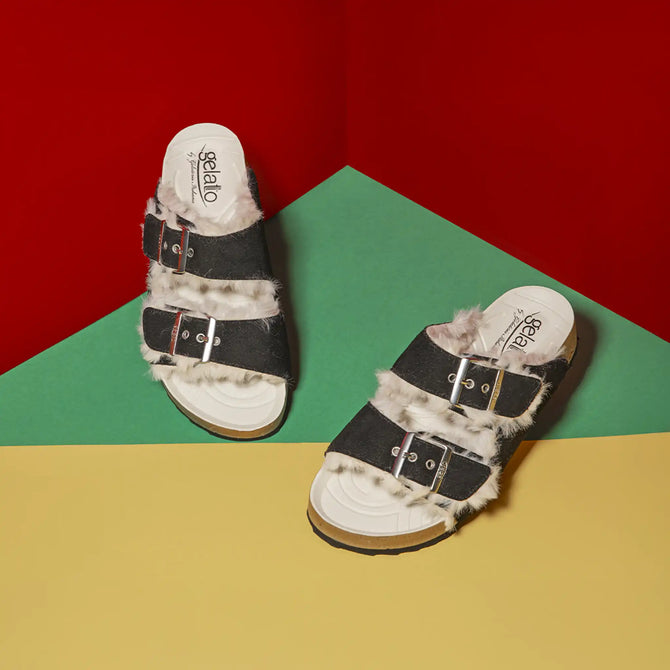



Modern insoles, made by processing innovative materials and using the latest-generation technologies, can guarantee comfort, well-being and advanced performance.
Not simply foot supports, but genuine wellness solutions for the entire body: the characteristics and advantages of modern insoles depend largely, however, on the type of material from which they are made.
From leather to silicone, from cork to polyurethane, each material offers a range of unique properties suited to specific needs. Let's discover the characteristics of each material for insoles and we assess the benefits of all the possible options available on the market.
Material for making insoles: why is it so important
The role of material for insoles is extremely important: choosing one material over another, in fact, determines the characteristics that each product can guarantee the consumer. In particular, depending on the type of material for insoles specific properties such as the following will vary:
-
the comfort, ensured by characteristics such as flexibility, softness and breathability;
-
the functionality. Insoles provide extra support and stability, helping to cushion walking, relieve foot pain and correct postural defects;
-
the lifespan. Insole materials ensure a certain resistance to wear for prolonged use over time. The lifespan of the insole depends largely on how it is used, but also and above all on the material from which it was made;
-
the compatibility. The ability to adapt to different needs and types of shoes depends primarily on the insole material.
Materials for insoles: from classic to high-tech
Various materials are used to make insoles, each with specific characteristics and benefits:
-
leather, one of the materials for insoles classic, completely natural, extremely durable and breathable. It provides good support and is very comfortable;
-
felt, another material for insoles classic, soft, and comfortable. It is perfect for those with very sensitive skin;
-
cork, the latest of the materials for insoles classics. A lightweight, flexible material with cushioning properties. It is used primarily by those with flat or high-arched feet;
-
polyurethane, a very lightweight, durable technological material with good cushioning properties. It is suitable for those who play sports or perform work activities that require standing for many consecutive hours;
-
silicone, a comfortable and soft technological material with excellent cushioning and shock-absorbing properties. Particularly suitable for those with balance or posture problems;
-
EVA (Ethylene Vinyl Acetate), an innovative, soft, and flexible material. Antibacterial and cushioning, it adapts perfectly to the needs of those suffering from tired or painful feet;
-
thermoplastic. This thermoformable material for insoles adapts to the shape of the foot through the action of heat. Ideal for those with very specific needs;
-
gel. Innovative and versatile, anatomical gel insoles are made of soft silicone gel and adapt perfectly to the shape of the foot, offering personalized support and an immediate feeling of comfort.
Why choose anatomical gel insoles?
Anatomical gel insoles offer numerous advantages over traditional insoles:
-
comfort and cushioning, as they can absorb shocks and vibrations, protecting the joints from microtrauma and injury;
-
support and stability, consequently reducing pressure on the joints. They help prevent pain in the feet, ankles, knees, and back;
-
hygiene and durability. These insoles are easy to clean, wear-resistant, and also easy to use, hypoallergenic, and breathable;
-
versatility and adaptability. There are numerous anatomical gel insoles, some insertion models and others already found in modern footwear, such as Baci and Unique Style by Gelattto.