


Very often, when you start using insoles, you find yourself wondering about the adjustment period: how long does it take for the body to get used to this new support?
Knowing how long it takes to get used to insoles is important both for gaining confidence and for fully benefiting from these devices while avoiding any initial discomfort.
Let’s examine the topic in detail, taking a closer look at the functions of insoles, the conditions they are recommended for, and the natural timeline for insole adjustment.
What are anatomical gel insoles used for, and which conditions are they recommended for?
An anatomical gel insole is a valuable and effective support for various types of discomfort. These devices, specifically designed to support the arch of the foot and reduce pressure on critical areas of the foot, are made from soft materials that ensure maximum stability.
Using a gel insole provides several significant benefits:
- shock absorption during running or walking;
- correction of foot and ankle posture;
- reduction of localized pain (heel, arch, tendons);
- long-lasting comfort, even during everyday use.
These devices are suitable for addressing the body’s needs in the presence of conditions such as:
- heel pain and plantar fasciitis;
- inflammation of the Achilles tendon;
- metatarsalgia or localized pain in the sole of the foot;
- flat feet or high arches;
- postural problems or joint overload.
Anatomical insoles, as devices capable of providing cushioning and targeted support, help reduce the symptoms and pain associated with these conditions. They also help prevent the worsening of these problems and improve weight distribution during walking or sports activities.
In conclusion, by improving the way the foot rests, an anatomical gel insole allows for gradual adjustment, without the trauma caused by incorrect or excessive use during the first few weeks.
Insole adjustment: timelines and useful tips
Insoles: one week to adjust? Does it take more or less time to get used to using these devices? There is no single answer, as each body may react differently. Therefore, the time it takes for your feet to get used to insoles can vary from person to person.
However, some general guidelines can be followed:
- during the first few days, to encourage insole adjustment it is recommended to wear these devices for a maximum of 1–2 hours a day. This allows the foot to begin perceiving the support without becoming fatigued;
- during the first week, insoles require gradual initial adjustment, increasing use gradually to 4–5 hours a day. Any mild tension or discomfort is normal at this stage;
- after 2–3 weeks, insole adjustment reaches its final stage. Many people begin to notice tangible benefits, such as reduced pain and greater stability;
- after 3–4 weeks, the insole adjustment period is complete. The foot becomes fully accustomed to the new supports, and the benefits become fully noticeable.
Insoles: adjustment time—how can the process be made easier? It is advisable to follow a few tips to support this process:
- gradually increase the time of use to reduce the possibility of pain and strain;
- wear suitable socks to prevent chafing;
- check your footwear, as shoes that are too tight or too loose could hinder the insole’s effectiveness;
- perform stretching exercises for your feet and calves, which help the foot adapt better to its new posture;
- monitor any pain. If it persists beyond the first few weeks, it is advisable to consider seeing a specialist.
By following these guidelines, adjusting to insoles will be easier and more comfortable, reducing the risk of abandoning the support prematurely.
In conclusion, the time it takes for your feet to get used to insoles is not immediate, but with patience and gradual use, the benefits will become clear. Anatomical gel insoles offer the right balance between support and comfort, making the treatment of foot and postural pain more effective.
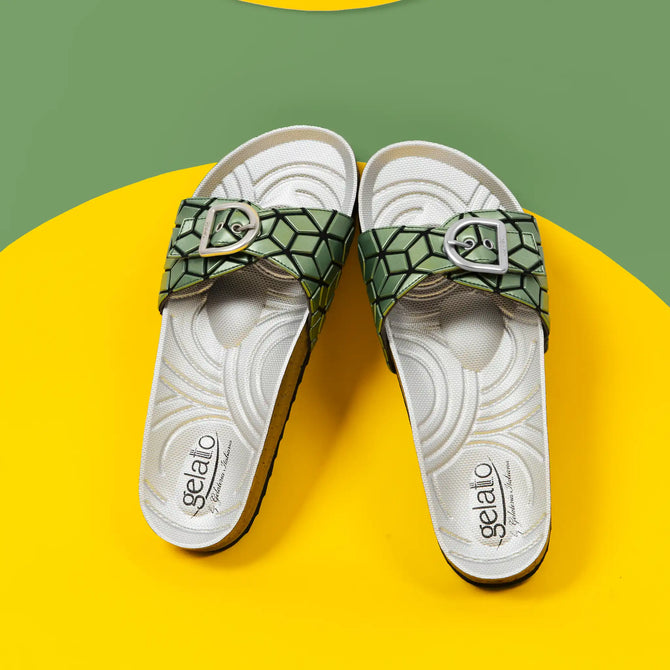
Discover the anatomical gel insoles by Gelattto and choose quality footwear with integrated insoles for women, men, or professional use.