
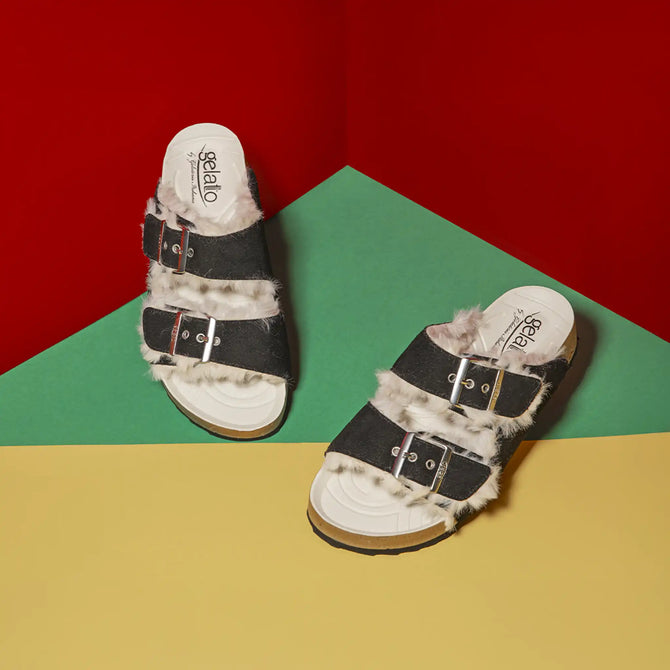



Hammer toes or hallux rigidus: those who suffer from these conditions often experience pain and discomfort even during very simple daily activities. Wearing soft shoes for hammer toes is a necessary solution, as is using orthotics for bunions and hammer toes. These aids help reduce friction, pressure, and overloading on the forefoot.
The right footwear for hammer toes must provide comfort, support, and adequate space for the toes, while anatomical orthotics help improve foot support and weight distribution.
But how do you choose the right footwear for a hammer toe or hallux rigidus? Let’s discover everything you need to know in this step-by-step guide.
Hammer toes and hallux rigidus: causes, symptoms, and consequences
Before discovering how to choose footwear for a hammer toe, let’s examine what this condition involves, its most common symptoms, and its causes.
Hammer toes refer to a condition involving a deformity that mainly affects the second and third toes. These toes tend to bend downward, taking on a curved shape. Hallux rigidus, on the other hand, limits movement of the big toe and can make walking very painful.
These two conditions can be caused by several factors, including:
- wearing tight shoes or shoes with a tapered toe;
- genetic predisposition;
- altered foot support;
- bunions;
- arthritis or joint inflammation.
Women are more commonly affected by these two conditions due to the frequent use of unsuitable footwear. Therefore, it is advisable to choose soft women’s shoes for hammer toes that can reduce pressure on the toes.
Common symptoms of hammer toes and hallux rigidus include pain when walking, calluses, redness, joint stiffness, difficulty wearing closed shoes, and continuous rubbing on the forefoot. Over time, especially if suitable shoes for a hammer toe are not worn, the discomfort may increase and compromise everyday comfort.
Hallux rigidus and hammer toe: how to choose suitable orthotics and footwear
Using shoes suitable for hammer toes, as we have seen, is essential for reducing discomfort and complications. It is not just about shoes: it is also important to choose orthotics for hammer toes that can help limit both pain and inflammation.
When choosing soft shoes for feet with hammer toes, make sure that the model meets the following criteria:
- soft upper and wide toe box. Closed footwear for hammer toes features a soft, flexible upper that adapts to the shape of the foot without creating pressure points. The toe box must be sufficiently wide to leave room for deformed toes;
- stable, cushioned sole, which helps reduce the load on the joints and improve comfort when walking. Shoes and orthotics for hammer toes must ensure stability and lightness while avoiding rigidity;
- orthotics for hammer toes integrated into the footwear. These supports help distribute body weight more effectively, reducing overloading on the forefoot. In the presence of associated conditions, such as bunions, footwear with custom orthotics for hammer toes may be useful, as it can simultaneously improve both posture and foot support.
Choosing and wearing soft women’s shoes for hammer toes, especially when an anatomical orthotic is integrated, can help reduce friction, pain, and pressure while walking.
Rely on products specifically designed for foot well-being: choose the footwear and orthotics for hammer toes made by Gelattto. Discover the collections available for both women and men.