



Morton's neuroma is a painful condition affecting the foot, particularly the interdigital nerve located between the third and fourth metatarsals. This condition generally manifests as a sensation of sharp pain, burning, or tingling localized in the front of the foot. Patients often describe this sensation as “walking on a pebble”.
Morton's neuroma is a fairly common condition, particularly widespread among women. Its incidence is highest among people aged 35 to 60. The causes of Morton's neuroma are linked to excessive mechanical pressure on the nerve, often caused by unsuitable or uncomfortable footwear, such as high heels or narrow-toed shoes.
Morton's neuroma: remedies, treatment, and benefits of anatomical orthotics. Let's discover everything you should know and what the suitable shoes for Morton's neuroma.
Morton's neuroma: possible remedies
To effectively address Morton's neuroma, it is important to implement a personalized strategy based on the level of pain and severity of nerve compression. In most cases, significant improvement can be achieved through conservative treatments, initially avoiding highly invasive solutions such as surgery.
Possible non-invasive remedies for Morton's neuroma include:
-
Rest and reduction of high-impact activities, including running or sports that place excessive stress on the forefoot;
-
Application of ice and the use of anti-inflammatory drugs, useful for reducing pain and swelling;
-
Use of orthotics for Morton's neuroma. Anatomical orthotics promote proper load distribution, reducing pressure on the affected nerve;
-
Physical therapies such as TECAR therapy or ultrasound, used to improve microcirculation and reduce inflammation.
Only in the most severe cases, when the pain becomes disabling and chronic, surgery may be considered to decompress or remove Morton's neuroma.
Which shoes should you wear every day for Morton's neuroma?
Reducing pain and swelling is possible by using suitable shoes for Morton's neuroma. This choice is crucial, as it helps prevent symptoms from worsening and promotes the full recovery of foot function.
Shoes for Morton's neuroma, intended for daily use, must provide space, cushioning, and stability, avoiding compression on both the toes and the forefoot. To choose the best suitable shoes for Morton's neuroma the following factors should be carefully considered:
-
Toe box, which should be wide and soft. This allows the toes to move freely, preventing them from pressing against each other;
-
Heel, which should be low, no more than 3 cm high. This helps maintain a natural posture, reducing pressure on the forefoot;
-
Cushioned and flexible sole. It improves comfort while walking by dampening vibrations;
-
Materials. It is best to choose breathable, lightweight materials capable of ensuring the foot's proper microclimate even when the shoe is worn for extended periods.
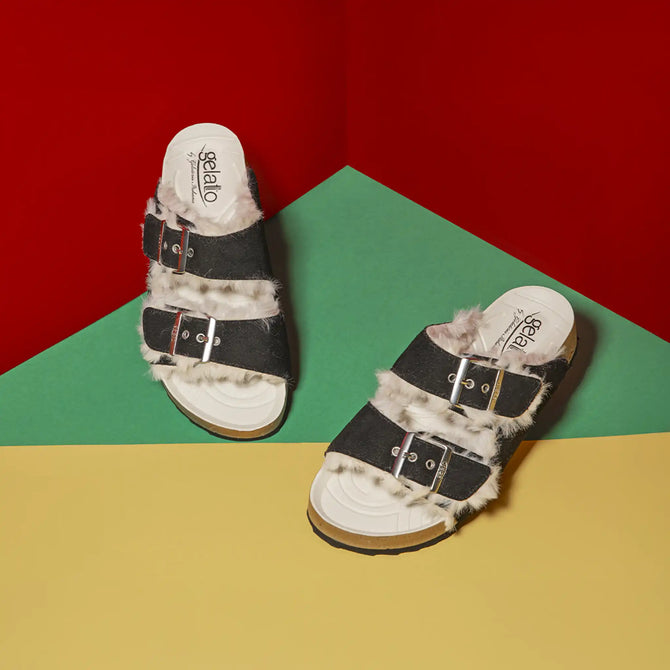
The shoes Gelattto with an incorporated insole are specifically designed to meet all these needs, combining an elegant design with maximum anatomical functionality. Models such as Woodstock, Baci, Go, Gelax, Sole Mio, Gelato and Unique Style provide comfort and support, making them ideal for people suffering from Morton's neuroma or metatarsalgia.
Why use insoles for metatarsalgia and Morton's neuroma: the benefits
The use of insoles for Morton's neuroma is one of the physical therapies that, over time, help reduce the pain and swelling caused by this condition and by metatarsalgia. The anatomical insoles are one of the most effective and non-invasive remedies for relieving pain, as they are specially designed to adapt to the shape of the foot and provide targeted support.
The main benefits of anatomical insoles for people suffering from Morton's neuroma are:
-
Reduced pressure on the forefoot. The insole distributes body weight evenly, relieving the affected nerve area;
-
Correction of foot support. Anatomical insoles improve foot alignment and posture while walking;
-
Cushioning and lasting comfort. Made from excellent materials, foremost among them gel, the insoles help reduce impact and pain after long hours of standing;
-
Prevention of recurrences. Proper support helps prevent the problem from recurring over time.
I Gelattto insoles They are made with high-quality technical materials, designed to provide support, breathability, and comfort. Discover the benefits of Gelattto anatomical insoles: choose a natural, long-lasting remedy for Morton's neuroma.