
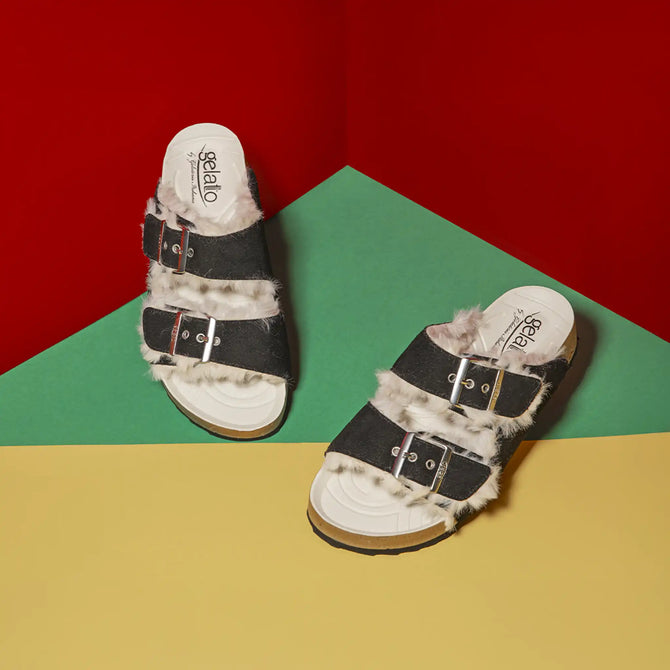



Due to reduced sensitivity and poor circulation, the diabetic foot is particularly at risk of injuries, pain, and other minor or major discomforts. Even minimal rubbing or improper pressure on a diabetic foot can cause ulcers and infections. For this very reason, choosing and wearing suitable footwear is essential for people with diabetic foot.
Anatomical shoes with dedicated insoles, for example, are high-quality solutions because they are specifically designed to distribute pressure evenly across the foot, helping to reduce friction and pressure points.
In some cases, and especially on medical advice, it is necessary to wear orthopedic shoes for diabetic foot. However, effective prevention often begins with choosing to wear high-quality anatomical shoes. Let’s discover all the benefits of these aids and when it is preferable to opt for an orthopedic shoe for diabetic foot.
What is diabetic foot and why is it a risk factor?
Diabetic foot is a condition that develops mainly as a result of reduced blood circulation in the foot area. Poor circulation or peripheral neuropathy can reduce foot sensitivity: the patient may not notice minor injuries or friction caused by shoes.
Over time, even small injuries can develop into ulcers and infections: problems that require significant medical treatment and, in severe cases, surgery.
Therefore, choosing to wear anatomical footwear or orthopedic shoes for diabetic foot is essential for preventing potential problems, together with regular checkups and maintaining good daily hygiene.
Anatomical shoes: why do they help prevent diabetic foot problems?
Before analyzing the benefits of an orthopedic shoe for diabetic foot, let’s consider the role of anatomical footwear. This type of shoe differs from traditional footwear because it is specifically designed to reduce localized pressure and distribute body weight evenly along the arch of the foot.
Anatomical shoes consist of:
- an anatomical insole, which perfectly follows the shape of the foot;
- a cushioned sole, which reduces the load on the heel and forefoot;
- a soft upper, which limits rubbing and irritation;
- a wide footbed, which allows the foot to move without compression.
This structure helps reduce the risk of inflammation, pain, and injuries typical of diabetic feet.
When should orthopedic footwear for diabetic foot be considered?
In most cases, anatomical footwear with quality insoles is more than sufficient for preventing pain and injuries associated with diabetic foot. However, some clinical situations require the opinion of a specialist.
In particular, in the presence of deformities and joint problems, a professional may recommend orthopedic shoes for diabetic foot. This footwear is generally considered in the presence of conditions such as:
- advanced bunions;
- hammer toes;
- recurrent calluses;
- previous ulcerations;
- postural or plantar support abnormalities.
In these cases, orthopedic shoes for diabetic foot can provide targeted structural features, such as increased internal volume, adjustable closure systems, and supports designed to reduce pressure on specific sensitive areas.
In conclusion, to prevent problems and discomfort caused by diabetic foot, it is advisable to wear suitable footwear with anatomical insoles and a cushioned sole. On medical advice, opt for orthopedic shoes.
Choose to invest in the right footwear, capable of reducing the risk of pain, injuries, and complications. Discover Gelattto’s anatomical footwear models: Woodstock, Gelax, Baci, Go, Sole Mio, Gelato, Stile Unico. Choose well-being for your body!