


Postural problems, foot discomfort, and widespread pain in the back and joints: more and more people suffer from these issues, often caused by wearing unsuitable footwear. For this reason, footwear for orthotics and designed to accommodate orthotics are becoming increasingly sought-after solutions, by both women and men.
It is important to distinguish between shoes with orthotics integrated and anatomical orthotics to be inserted inside standard footwear. The former are made with an insole designed to support the arch of the foot and correctly distribute body weight. The latter, on the other hand, are ideal solutions for those who need specific support based on the shape of the foot.
Both alternatives offer significant benefits: improved posture, reduced fatigue, greater comfort while walking, and prevention of pain in the feet, knees, and lower back.
However, to achieve real benefits, it is essential to choose both the footwear for orthotics that the anatomical orthotics most suitable for your needs. Let’s look at which mistakes to avoid when choosing and which factors to assess carefully before making a purchase.
5 aspects to consider when choosing footwear for orthotics
Choosing the shoes suitable for orthotics most suitable does not mean evaluating only the aesthetics of the footwear, but also other technical factors that directly affect foot health. Let’s look at the 5 aspects to consider when choosing footwear for orthotics:
-
interior space and removable insole. The shoes suitable for orthotics should have a removable insole that allows you to insert your own orthotic without compromising the fit. The interior space should be sufficient to prevent pressure or discomfort;
-
stable construction and good cushioning. The footwear for orthotics should provide good support around the heel, a flexible yet durable sole, and materials capable of absorbing shocks. This provides greater stability and reduces impact while walking;
-
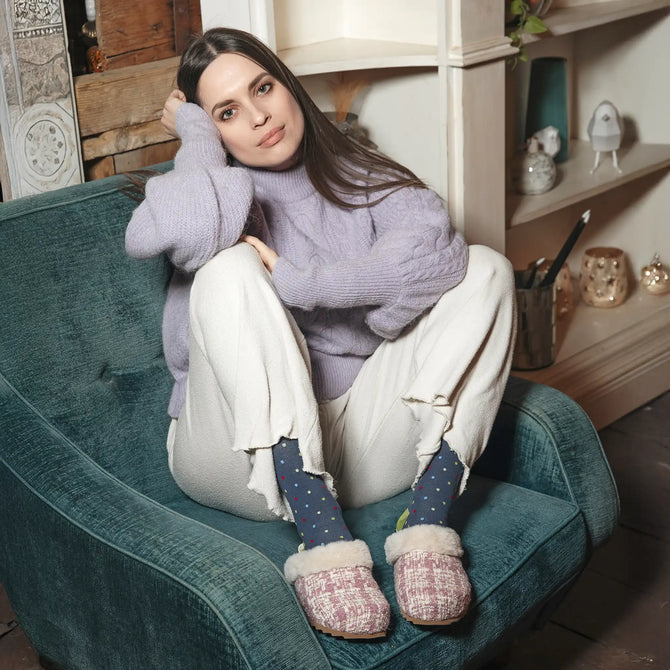
breathable materials. The best open shoes for orthotics, as well as winter footwear, are made from natural, breathable materials that help keep the foot dry, reducing the risk of irritation and unpleasant odors, especially during the warmer seasons;
-
shoe shape for orthoticsThe shape of footwear should respect the natural anatomy of the foot, avoiding narrow toe boxes or styles that force the toes into unnatural positions. An ergonomic shape promotes balanced weight distribution;
-
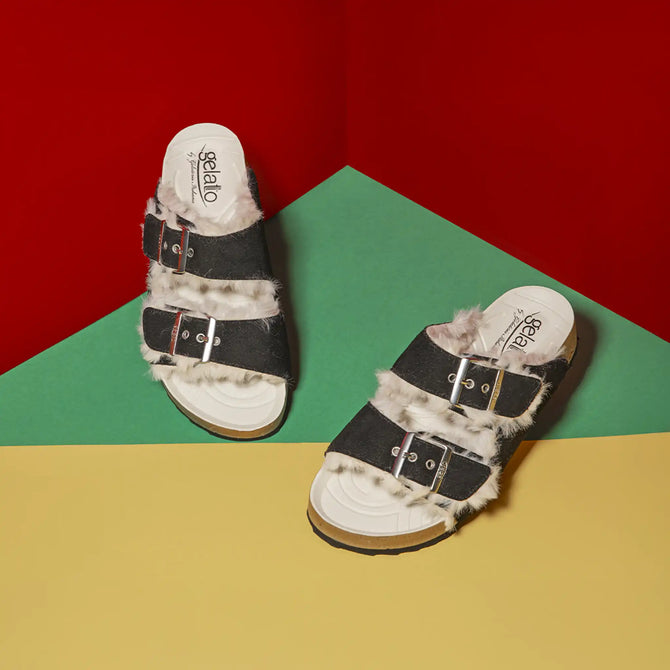
summer shoes suitable for orthotics. For those who use orthotics in summer as well, there are specific summer shoes for orthotics, including clogs, sandals, and open models, specially designed to accommodate anatomical supports. In this case, it is important to choose open shoes for orthotics fitted with adjustable straps and contoured soles.
Useful tips for choosing the perfect footwear for orthotics and avoiding mistakes
Purchasing designed to accommodate orthotics without paying attention to certain elements can lead to unsuitable choices and disappointing results. Let’s look at some other practical tips to avoid the most common mistakes:
-
do not consider aesthetics alone. It is important to remember that not all footwear is footwear for orthotics, even if they seem comfortable. Before purchasing, it is important to check the technical specifications and ensure that they are actually designed to accommodate an orthotic;
-
check compatibility. You should orthotics for open shoes must be specifically designed for the type of footwear. Not all orthotics work the same way in closed shoes, sandals, or slippers;
-
avoid footwear that is too tight or rigid. The shoes suitable for orthotics must leave room for the foot, allowing it to adapt naturally and without restriction. Shoes that are too rigid limit the benefit of the orthotic and can worsen posture;
-
choose the size carefully. An incorrect size compromises the effectiveness of anatomical support. When purchasing shoes with orthotics, you also need to consider the thickness of the insole and check that the foot is not compressed;
-
assessing when to replace footwear. Even the best footwear for orthotics, over time, lose their supportive properties. If you notice deformation or loss of cushioning, it means that it is time to replace the footwear.
Purchasing the best footwear for orthotics Choosing footwear with an integrated footbed represents a true investment in the health of your feet and entire body. Choose to give your feet the support they really need: to walk and live better, opt for models by Gelattto.
Discover the collection and choose the perfect footwear with an integrated footbed for you: explore the models Baci, Unique Style, Go, Gelax, Woodstock, Sole Mio e Gelato.